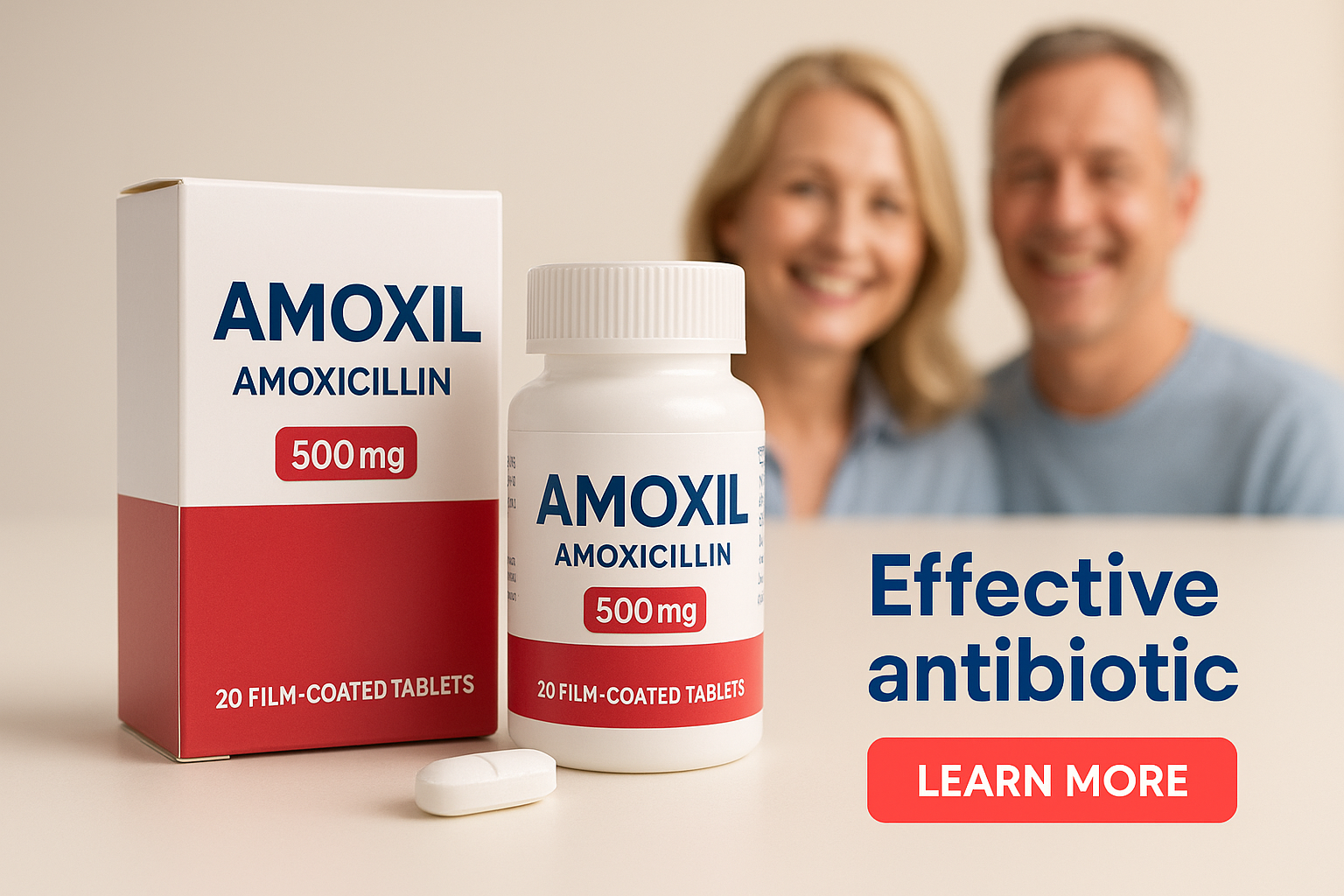


In the event that an individual is diagnosed with a bacterial infection, it is not uncommon for a healthcare provider to recommend Amoxil, which is regarded as a widely utilized antibiotic. This agent may be prescribed for a range of conditions—such as throat infections, otitis media, or other bacterial illnesses—and, owing to its frequent prescription, a clear understanding of proper administration appears to be crucial for optimizing therapeutic outcomes while helping to reduce the ongoing issue of antibiotic resistance.
The pharmacologic designation “Amoxil” refers to the brand formulation of amoxicillin, which belongs to the penicillin subclass of beta-lactam antibiotics. Amoxicillin’s principal mechanism involves the interruption of bacterial cell wall biosynthesis, a property that underlies its broad applicability and makes it a mainstay in numerous clinical circumstances. Readers seeking further detail regarding appropriate patient selection, dosing, or safety precautions are invited to explore this comprehensive guide, which could enhance understanding and support safer medication use.
For individuals interested in exploring comparative or adjunct antibiotic choices, authoritative resources regarding medications such as Doxycycline may offer additional clinical context surrounding alternative antimicrobial therapies.
Step 1: Confirm Your Prescription and Dosage
Primarily, it is advised to confirm that one possesses a current and legitimate prescription issued by a healthcare professional with prescribing authority. Recognizing that Amoxil—specifically Non Prescription Amoxicillin—is generally not available over the counter in most jurisdictions is important, as medical oversight remains essential to both accurate diagnosis and safe dose determination.
It appears that Amoxil is manufactured in a variety of strengths, including Amoxicillin 250mg, Amoxicillin 500mg, and up to the Amoxicillin 1000mg tablet formulations. The specific dose recommended can vary considerably depending on several factors such as the clinical nature of the infection, its severity, age group, and patient body weight; as a result, adherence to provider instructions may prove critical for successful therapeutic outcomes. Individuals are advised to refer to official resources—such as the AMOXICILLIN AND CLAVULANATE POTASSIUM TABLET, FILM COATED [A-S MEDICATION SOLUTIONS]—if in need of detailed pharmaceutical information or guidelines pertinent to their prescription.
Step 2: Understand How to Take Amoxil Properly
Amoxil is typically administered by mouth, and it may be taken either with meals or on an empty stomach depending on prescriber direction and patient preference. The required frequency is most often every 8 or 12 hours, and tablets should be swallowed intact, accompanied by a full glass of water, as crushing or chewing could potentially affect the pharmacokinetics and, therefore, its therapeutic efficacy.
Punctual adherence to scheduled doses seems important when seeking to maintain appropriate plasma drug concentrations. Interrupting therapy—whether through skipped doses or discontinuation upon early symptom resolution—might result not only in suboptimal eradication of the pathogenic organism but also in heightened risk for the development of antibiotic resistance. Should a dose be missed, standard recommendation suggests taking it as soon as remembered, unless that time would closely precede the next scheduled dose.
Patients interested in cost comparisons, drug sourcing, or supply chain transparency may consult resources such as the FDA NDC 70518-3624 amoxicillin registry, which provides detailed information regarding legitimate manufacturers and packaging practices.
Step 3: Monitor for Side Effects and Drug Interactions
Although Amoxil has established a reputation for general tolerability, a proportion of patients may experience adverse effects ranging from mild gastrointestinal upset, like nausea or diarrhea, to more pronounced allergic manifestations including pruritus and exanthem. Immediate medical attention is warranted for more serious reactions—for example, angioedema or difficulty in breathing—suggesting a possible severe hypersensitivity response.
Furthermore, amoxicillin has been shown to interact with certain concomitant medications; for instance, reduced efficacy of oral contraceptives or enhanced effects of specific anticoagulants may occur. Yielding these considerations, it is prudent to disclose all routine or as-needed medications to one's healthcare provider to mitigate the risk of clinically relevant drug interactions. Comprehensive reference documents, such as the FDA doc amoxicillin, can further assist both clinicians and patients in optimizing safe antibiotic use.
Pros and Cons of Using Amoxil
- ✓ Broad-spectrum antibiotic: There is considerable evidence to suggest Amoxil is efficacious against a diverse range of bacterial pathogens.
- ✓ Well-studied and widely available: Due to longstanding use and voluminous safety data, Amoxil continues to be favored by clinicians worldwide.
- ✓ Multiple dosage forms: Options such as tablets, capsules, and suspensions appear available to accommodate patients across the age spectrum.
- ✗ Potential for allergic reactions: Those with a penicillin allergy should strictly avoid administration, as reactions could be severe or life-threatening.
- ✗ Resistance concerns: Notably, improper or indiscriminate use may exacerbate the public health threat of antimicrobial resistance.
- ✗ Side effects: There exists a possibility of gastrointestinal disturbance or the development of secondary yeast infections in some users.
Step 4: Complete the Full Course and Follow Up
The full course of prescribed Amoxil should be taken as directed; this appears essential, given clinical findings that premature cessation can enable recolonization and survival of bacteria—altering the trajectory of the infection and favoring resistance. Even when symptomatic improvement occurs early, ongoing therapy must be continued until the recommended endpoint.
If, after completion, symptoms fail to improve or deteriorate, contact with one’s healthcare provider may be necessary, as further diagnostic or therapeutic intervention might be indicated. In particular cases, it is possible that alternate agents—such as those described on 3gchimney.com—could be recommended based on individual clinical scenarios, underscoring the need for regular professional supervision.
Additional Tips and Considerations
Patients should refrain from distributing prescribed Amoxil to others, nor should previously dispensed medications be used for new illnesses, since both practices may introduce unforeseen risks and contribute to treatment failure. Attempts to procure Amoxil via unauthorized online channels could, in some instances, pose significant health hazards, especially given the prevalence of pharmaceutical fraud. When researching Amoxil Online Purchase or seeking bargains through terms such as Amoxil En Ligne Pas Chere, validation of the pharmacy’s credentials is recommended by global agencies and should be an essential patient priority.
While traveling or residing outside one’s country—for example, during travels to Canada or countries in Europe—familiarity with terms such as Achat En Ligne Amoxil Canada or selecting generic offerings like Amoxil Generic 500mg requires new consideration of regional legal statutes and safety standards. Prospective users are advised to consult healthcare providers in each jurisdiction prior to antibiotic purchases or usage abroad.
Summary
In summary, while Amoxil represents a pivotal agent within the realm of antibiotic therapy, its prudent use under careful clinical supervision is fundamental. Confirming one's prescription accuracy, adhering to individualized dosing regimens, engaging in regular monitoring for potential adverse reactions or interactions, and fulfilling the entirety of the treatment duration all appear to be recommendations well-supported by current evidence as strategies associated with improved health outcomes and lower resistance risks. Procuring Amoxil exclusively from reputable sources remains a vital safeguard against inefficacy or harm.
Should readers or patients be in need of more exhaustive product labeling or regulatory information, direct reference to authoritative sources like the FDA doc amoxicillin is advised. Adherence to these step-by-step measures may enable individuals to use Amoxil effectively and safely for the treatment and control of bacterial infections.


